

Product Overview
GH Sea Buckthorn Seed Oil is extracted from wild, small-fruit sea buckthorn seeds harvested from the pristine Qinghai-Tibet Plateau. Utilizing state-of-the-art Supercritical CO2 Fluid Extraction technology at low temperatures without organic solvents, we preserve heat-sensitive phytonutrients and guarantee maximum bioactivity.
Approximately 1,000 wild sea buckthorn seeds are required to extract just 1 ml of this precious golden oil. It delivers a rich spectrum of over 160 bioactive nutrients, including natural carotenoids, tocopherols (Vitamin E), phytosterols, and a balanced essential fatty acid complex.

Technical Specifications
| Parameter / Item | Technical Specification |
| Product Name | Sea Buckthorn Seed Oil |
| Botanical Name | Hippophae rhamnoides L. |
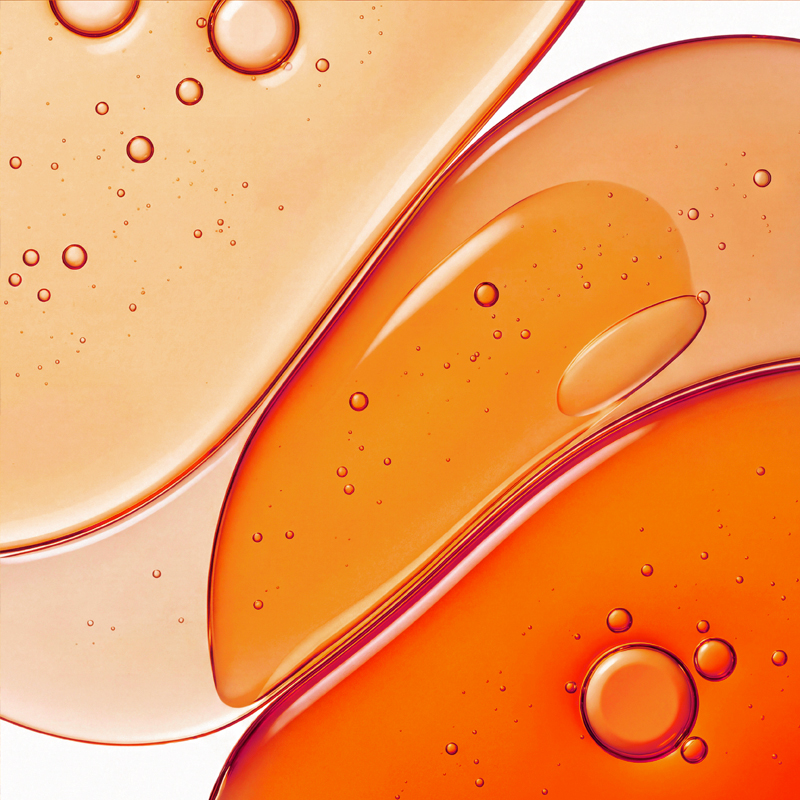
| Appearance | Orange-yellow to orange-red clear oily liquid |
| Extraction Method | Supercritical CO2 Extraction (Solvent-Free) |
| α-Linolenic Acid (Omega-3) | 23.0% – 31.0% |
| Linoleic Acid (Omega-6) | 30.0% – 38.0% |
| Oleic Acid (Omega-9) | 15.0% – 25.0% |
| Quality Grades | Conventional Standard Grade / Certified Organic Grade |
| Packaging Options | 16 kg / Food-grade aluminum drum |
| Certifications | Non-GMO, Solvent-Free, Kosher, Halal, USDA/EU Organic available |
Core Product Advantages

- Solvent-Free & Pure:Extracted via Supercritical CO2 to yield zero chemical residue and preserve sensitive carotenoids and Vitamin E.
- Balanced Omega 3 & 6:Contains an ideal 1:1 to 1:1.5 ratio of Omega-3 (α-Linolenic Acid) and Omega-6 (Linoleic Acid).
- High Altitude Bioactivity:Harvested from wild berries on the Qinghai-Tibet Plateau, providing superior nutrient concentration.
- Global Regulatory Compliance:Complies with strict EU/FDA standards for pesticides and heavy metals.
Research & References
1. Comprehensive Fatty Acid Profile Analysis

Chromatographic analysis reveals that unsaturated fatty acids constitute over 85% of total lipid content in sea buckthorn seed oil[1]:
- Core Essential Fatty Acids:Linoleic acid (Omega-6) and α-linolenic acid (Omega-3) form the core lipid backbone, each accounting for 30%–37% of total fatty acids in ideal 1:1 to 1:1.5 ratios.
- Monounsaturated Fatty Acids:Mixed monounsaturated fatty acids (Oleic acid group) represent approximately 17%–21% of total lipids, providing structural membrane stability and oxidative resistance.
2. Lipid Metabolism Regulation & Cardiovascular Support

Preclinical dietary intervention studies demonstrate that sea buckthorn seed oil effectively modulates lipid homeostasis in hyperlipidemic models[2]:
- Serum Lipid Optimization:Significantly reduces serum total triglycerides (TG) and low-density lipoprotein cholesterol (LDL-C).
- Hepatic Protection:Decreases hepatic lipid accumulation and liver triglyceride deposition (Hepatic TG/LDL-C reduction), mitigating diet-induced hepatic steatosis.
3. Cellular Antioxidant & UV Photo-Protection Pathways

At the cellular level, sea buckthorn seed oil exhibits potent antioxidant and anti-inflammatory mechanisms[3]:
- Keratinocyte & Fibroblast Protection:Suppresses UVA- and UVB-induced cellular stress in skin keratinocytes and dermal fibroblasts.
- Inflammatory Mediator Downregulation:Significantly inhibits the expression of cytosolic phospholipase A2, lipid peroxidation markers, and oxidative stress biomarkers.
References:
[1]Fatima T, Snyder CL, Schroeder WR, Cram D, Datla R, Wishart D, Weselake RJ, Krishna P. Fatty acid composition of developing sea buckthorn (Hippophae rhamnoides L.) berry and the transcriptome of the mature seed. PLoS One. 2012;7(4):e34099.
[2]Wang Z, Zhou S, Jiang Y. Sea buckthorn pulp and seed oils ameliorate lipid metabolism disorders and modulate gut microbiota in C57BL/6J mice on high-fat diet. Front Nutr. 2022 Dec 8;9:1067813.
[3]Gęgotek A, Jastrząb A, Jarocka-Karpowicz I, Muszyńska M, Skrzydlewska E. The Effect of Sea Buckthorn (Hippophae rhamnoides L.) Seed Oil on UV-Induced Changes in Lipid Metabolism of Human Skin Cells. Antioxidants (Basel). 2018 Aug 23;7(9):110.
Suggested Applications
- Nutraceuticals & Dietary Supplements:Softgels and liquid drops targeting cardiovascular support, gut mucosa restoration, and eye dryness relief.
- Cosmeceuticals & Personal Care:High-end facial serums, barrier-repair facial oils, and anti-aging creams leveraging Omega 3-6-9 for skin restoration.
FAQ
Q1: What is the main structural difference between Sea Buckthorn Seed Oil and Fruit/Pulp Oil?
A1: Sea Buckthorn Seed Oil is extracted exclusively from the seed and is rich in Omega-3 (α-Linolenic Acid, 23%–31%) and Omega-6 (Linoleic Acid, 30%–38%). In contrast, Fruit/Pulp Oil is extracted from the fleshy pericarp and is famous for high Omega-7 (Palmitoleic Acid, 20%–42%). Seed oil is primarily targeted for anti-inflammatory, cellular balance, and cardiovascular formulations.
Q2: Why choose Supercritical CO2 Extraction over Cold-Pressed or Solvent Extraction?
A2: Supercritical CO2 extraction operates at mild temperatures in an oxygen-free environment. It leaves zero chemical solvent residues, prevents thermal degradation of delicate bioactives (carotenoids and Vitamin E), and yields a pure, standardized extract compliant with strict EU/FDA regulatory standards.